

How to Choose a Filter Coffee Maker
There are a variety of choices when it comes to making filter coffee. Some offer an immersive interactive brewing experience, while others make your morning coffee in minutes with just the touch of a button.
The majority of filter coffee makers come with marks on the sides to help you measure the amount of water you drink precisely. Some filter coffee makers come with a one way valve in the hole in the bucket or the aluminum heating pipe. This prevents blocking.
Drip coffee maker
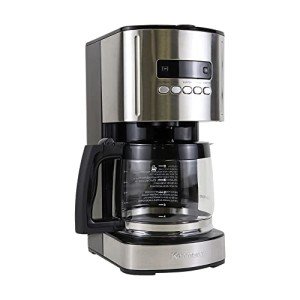
A drip coffee maker gives hands-free, automatic brewing. It heats the water from reservoir to the ideal temperature for the brewing process (195-205F) and then runs it through a showerhead, which drips over the ground coffee in the filter basket, beginning the brewing process.
The hot water is poured over the coffee grounds to extract the flavors and oils, and dissolve the solid matter. The grounds pass through the filter before being poured into the carafe, which holds the final cup of coffee. The process is fast and simple and can yield a lot of coffee quickly.
If you decide to purchase a drip coffee maker, consider its capacity. Choose a model that can serve up to a couple of cups to 12 mugs at once. You'll need to choose a machine that has a water reservoir that is convenient and a carafe that keeps the brewed espresso hot for a number of hours.
Some models are equipped with variable settings, while others have built-in grinders to make it easier to customize your drink. Some models have convenience features, such as automatic pour and pause features, as well as a digital display that allows you to choose your preferred temperature, strength of brew and brew time.
The price of drip coffee makers ranges from a few hundred to more than 1,000 dollars. coffee filter maker www.coffeee.uk are simple to use and produce consistently delicious coffee. Choose models that are made of durable components and high-quality carafes made of stainless steel, ceramic, or glass.
If you notice that your machine isn't offering enough water, it may be a blockage within one of its tubes. This is especially frequent in older machines that have aluminum rods. They can become blocked by corrosion and minerals. If this occurs, try running vinegar through the water tank without coffee or a filter and after that, with coffee and filter. Repeat this procedure until the coffee maker is free of obstructions.
While drip coffee is a good option for quick caffeine fix, it does not give you the same control over your cup as other methods. If you're looking to get a deeper, more complex flavor choose the French press or the Chemex.
French press
Immersion brewing is a method of brewing coffee that is utilized in a French press, meaning that the coffee and water grounds remain in contact throughout the entire process of brewing. It can be messy and time-consuming, however it can also make an incredible cup of coffee with much more body than what you can get with a drip maker. But, it's important to remember that the French press can be a bit unpredictable. The brew cycle may leave some grit in your drink and it's crucial to choose the right proportion of coffee to water or you may end up with a drink that's too weak.
The best French press has a variety of features that make it simple to use and maintain. These French presses are usually constructed of durable materials such as stainless steel or thick glasses, and have a lid to keep spills out. Some come with a built-in thermometer to ensure you're brewing your cup at the correct temperature.
Before you start brewing, it's essential to warm up your French press. It is recommended to pour a small amount of hot water into the carafe and swirl it around for about 30 seconds. This will allow it to warm up and is essential to brewing a delicious cup of coffee.
Then, add the ground coffee to the carafe, and stir it well. Pour in the remainder of the hot water and gently stir it around to mix everything. Make sure not to put the plunger into the coffee, otherwise you'll end up with a bitter, overly strong drink.
Allow your coffee to steep for 4 minutes. The grounds will form a crust during this time. This is a sign that your coffee is ready to be pressed. You can also stir the ground occasionally to prevent them from sinking to the bottom of your pot.
The Bodum Chambord is the most commonly used French Press. It has three-part filter mesh that is able to separate the leaves and the grounds from water. The ESPRO is a more recent model that comes with a double-filter with an interlocking system. This removes silt and sediment from your coffee. It might cost more and require more washing but it's worth it to enjoy a cup of coffee that is free of grit.
Iced coffee
Iced coffee is among the most popular ways to drink filter coffee. The brew is less acidic and can be served on its own or paired with added milk or sugar. It is an excellent choice for those who suffer from digestive issues. It's also much easier to drink than a cup of hot coffee on a hot day.
Using an automatic drip coffee maker is the most efficient and convenient way to make Iced coffee, however it's important to use clean water to avoid any chemical residue. You can also try different equipment and brewing methods to find out which one works best for you. Altering the method of brewing and equipment, as well as filters can allow you to discover new flavors in your coffee.
A drip coffee machine works by heating water before dripping over the coffee grounds through a filter. The brewed coffee then collects in a carafe to serve. This is a popular way to make filter coffee at home or in working. However, it can sacrifice certain flavor nuances when in comparison to manual methods of brewing.
The top filter coffee makers are simple to operate and have a user-friendly design. Some are portable and can be used on vacations. Despite the simple nature of these machines, some high-spec models have a range of clever settings that allow you to modify the brewing process. You can adjust the temperature of the brew, as well as the timing. Some models also have the ability to set a timer as well as a light indicator that tells you when your coffee is ready.
Some people like to add sugar to their iced drinks but the natural notes of chocolate, caramel and vanilla in the beans could provide enough sweetness without adding any additional ingredients. Non-dairy milks such as almond, coconut, and oat can also improve the taste of a cold coffee. In addition, you can add a scoop of ice cream for a richer and more delicious dessert.
If your coffee iced doesn't taste right, it could be that there's a blockage inside the tube of the machine. This is a common problem with older models that use heating tubes composed of aluminum. Clear the tank, you can run vinegar through it. If the issue continues, you might want to purchase a new coffee maker which has stainless steel heating tubes.
Cleaning and maintenance
As with any kitchen appliance Proper cleaning and maintenance of your coffee maker will prolong its lifespan and improve the quality of your coffee. You should clean the carafe and removable parts after each use, either by hand or by using the dishwasher (depending on the manufacturer's instructions), and clean the lid, reservoir, and filter basket at least once a month using warm, soapy water. Descale your machine regularly to avoid the buildup of minerals which can hinder the performance of your machine and leave your coffee with a bad taste.
If your coffee maker has built-in descaling functions, follow the directions in the user manual to run the cycle. If not, you can try a solution of equal parts white vinegar and water to eliminate the stubborn deposits. After cleaning thoroughly then run several cycles of pure water to remove any vinegar flavor.
It is recommended to wash the grounds tray and filter every time you use it and keep the coffee maker in a dry, safe location between each use. A pot that is wet can draw in mold, bacteria and other germs that can alter the taste of your coffee and trigger health problems within your home. A study has found that coffee pots harbor more bacteria than the toilet seat or bathroom door handle!
If your coffee maker is taking longer than usual it could be due to an obstruction. Additionally, if you notice an unpleasant smell coming out of the machine, this could be a sign of bacterial or yeast growth.
In addition to a routine deep cleaning and descale, you must also wipe down the exterior of the machine using a clean sponge or cloth. This is particularly crucial if you are using stainless steel or nonstick coffee maker, because these types of surfaces are difficult to clean and could require special cleaning products. If your coffee maker is susceptible to staining, you can rub it with lemon juice or soak it in a solution of baking soda and water. You can also apply commercial descaling agents but be sure to follow the manufacturer's instructions to ensure that your machine is not damaged.